Korean Bibimbap
Uitgelicht onder: Wereldse Inspiratie
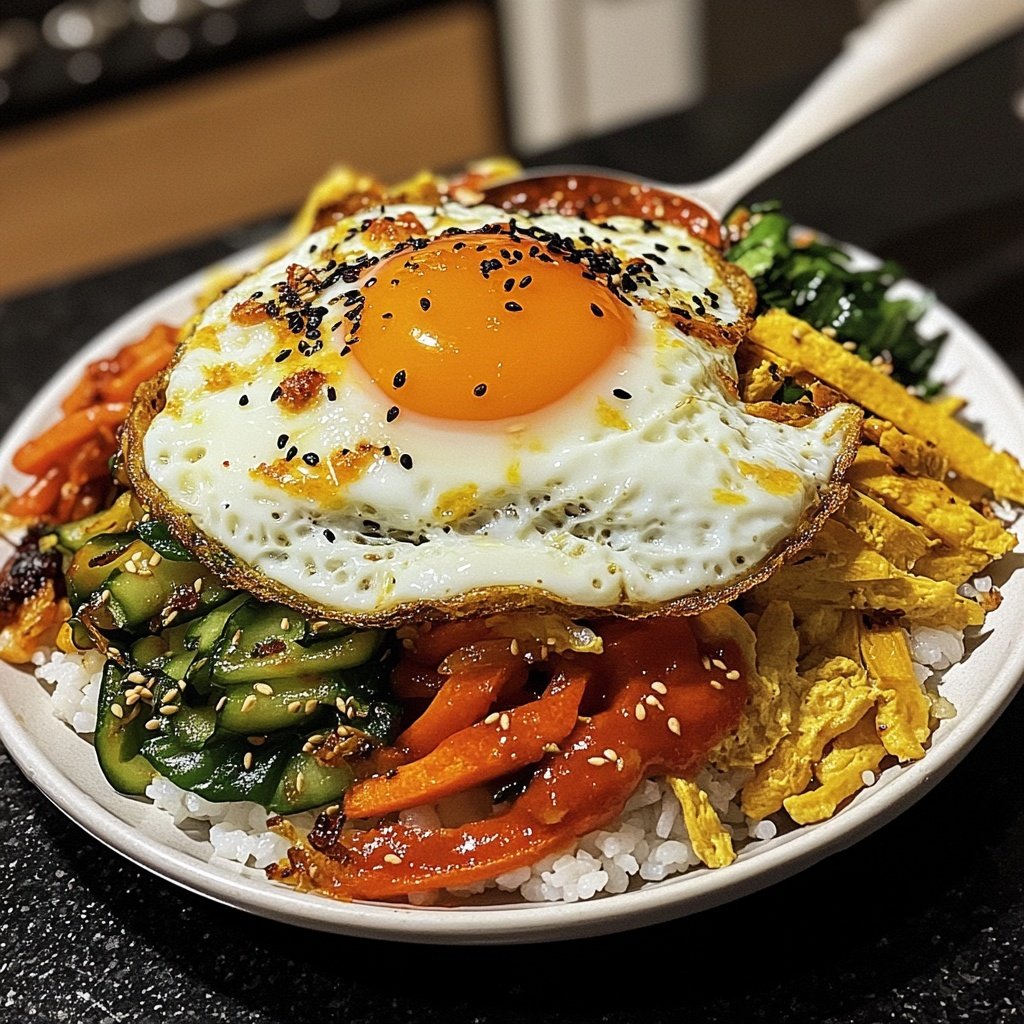
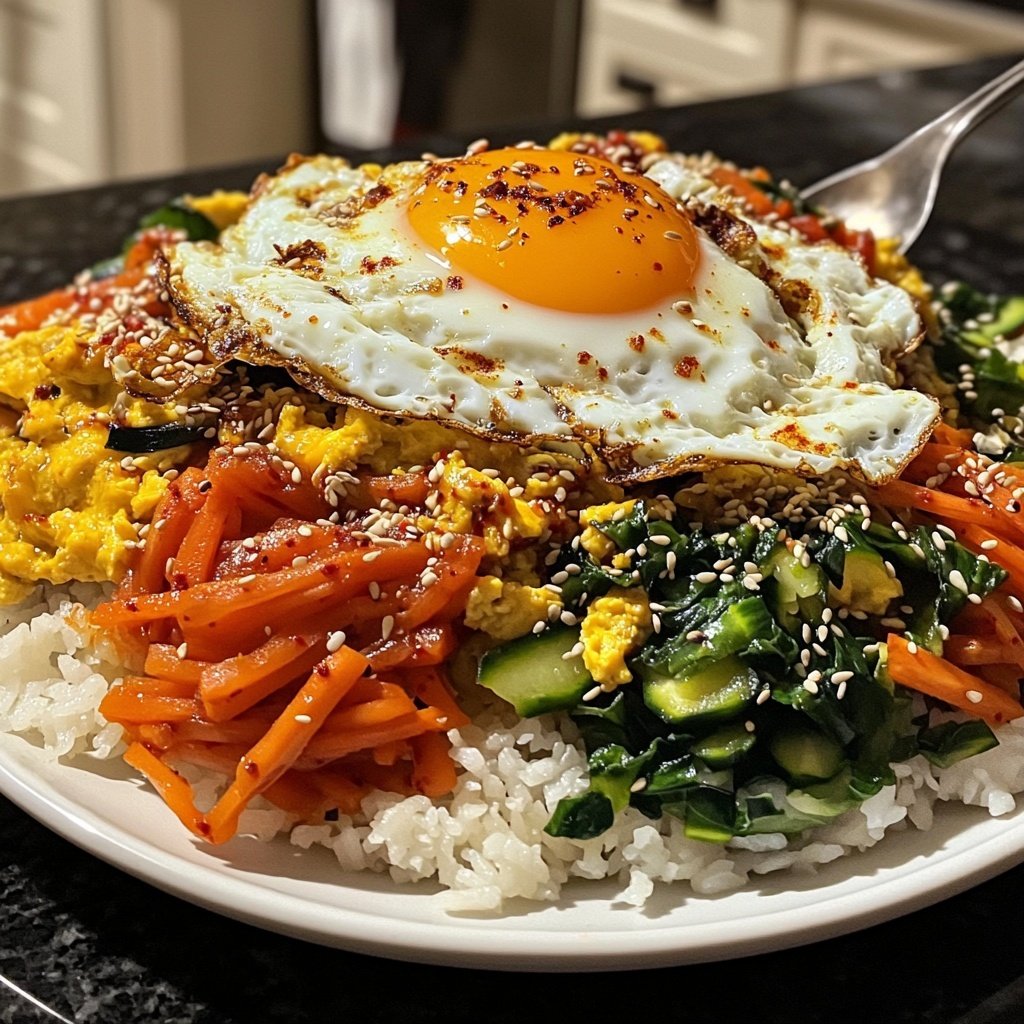
Korean Bibimbap is a vibrant and hearty dish featuring a mix of rice, vegetables, and proteins, topped with a fried egg and spicy gochujang sauce.
Korean Bibimbap is not just a meal; it's a celebration of color, texture, and flavor. Each ingredient brings something unique to the bowl, making it a favorite among food lovers.
Why You Will Love This Recipe
- A delicious combination of flavors and textures in every bite
- Customizable with your favorite vegetables and proteins
- Healthy and balanced meal in a single bowl
The Heart of Bibimbap
Bibimbap, a traditional Korean dish, translates to 'mixed rice.' Its origins can be traced back to the late 19th century, where it was a meal for farmers who needed a nutritious and filling dish. The beauty of Bibimbap lies in its colorful presentation, showcasing a variety of vegetables that reflect the seasons. This dish is not only visually appealing but also highlights the harmony of flavors that Korean cuisine is known for.
The core of Bibimbap is its rice, which serves as a canvas for various toppings. While the typical dish features a medley of vegetables like carrots, zucchini, and spinach, you can easily substitute with your favorites. Each component adds a unique flavor and texture, creating a delightful experience with every bite. It's a perfect example of how food can be both nourishing and satisfying.
Customizing Your Bowl
One of the best aspects of Bibimbap is its versatility. You can customize it to suit your dietary preferences or what you have on hand. Whether you're a meat lover or a vegetarian, there's a combination for everyone. Try swapping beef for chicken, or add mushrooms for an umami boost. You can even incorporate seasonal vegetables to create a dish that changes with the seasons.
Additionally, Bibimbap is a great way to use up leftover ingredients. If you have some roasted vegetables or cooked grains lying around, toss them in! This not only reduces food waste but also allows for endless creativity in the kitchen. The key is to balance flavors and textures, ensuring a satisfying meal that you and your family will love.
Serving and Enjoying Bibimbap
When serving Bibimbap, presentation is key. Layer the ingredients artfully, placing the fried egg in the center for a beautiful focal point. The vibrant colors of the vegetables make the dish inviting and appetizing. Don’t forget to serve it with a side of additional gochujang for those who enjoy a spicy kick! A sprinkle of sesame seeds not only adds flavor but also enhances the visual appeal.
To enjoy your Bibimbap to the fullest, mix all the components together before eating. This allows the flavors to meld beautifully, creating a delightful explosion of taste. Each bite should be a harmonious blend of rice, veggies, protein, and that signature spicy sauce. So grab your chopsticks and dig in!
Ingredients
Rice and Toppings
- 2 cups of cooked rice
- 1 cup of mixed vegetables (carrots, zucchini, spinach)
- 2 eggs
- 100g of cooked beef (or tofu for a vegetarian option)
- 2 tablespoons of gochujang (Korean chili paste)
- 1 tablespoon of soy sauce
- 1 tablespoon of sesame oil
- Sesame seeds for garnish
Feel free to add any vegetables or proteins you love!
Instructions
Prepare the Vegetables
Julienne the carrots and zucchini. Sauté them in a pan with a little sesame oil until tender. Blanch the spinach briefly and set aside.
Cook the Beef or Tofu
If using beef, stir-fry it in a pan with soy sauce until cooked through. For tofu, sauté until golden brown.
Fry the Eggs
In the same pan, fry the eggs sunny-side up or to your liking.
Assemble the Bibimbap
In a bowl, place a serving of rice and arrange the sautéed vegetables and beef/tofu on top. Place the fried egg in the center.
Add Gochujang Sauce
Drizzle with gochujang and sesame oil, and sprinkle with sesame seeds. Mix well before eating!
Enjoy your homemade Korean Bibimbap!
Professionele Tips
- For a vegetarian option, replace the beef with marinated tofu or mushrooms.
Nutritional Benefits of Bibimbap
Bibimbap is not only delicious but also packed with nutrients. The dish typically contains a variety of vegetables, each offering unique health benefits. For instance, spinach is rich in iron, while carrots provide a good source of beta-carotene. When combined with protein sources like beef or tofu, Bibimbap becomes a well-rounded meal that supports energy levels and overall wellness.
Moreover, the use of gochujang, a fermented chili paste, adds probiotics to the dish, which are beneficial for gut health. The combination of carbohydrates from the rice, healthy fats from sesame oil, and the vitamins and minerals from the vegetables makes Bibimbap a nutritional powerhouse. It's an easy way to ensure you're consuming a balanced diet.
Cultural Significance of Bibimbap
Bibimbap is more than just a meal; it’s a cultural symbol in Korea. Traditionally, it was served during celebrations and special occasions, signifying harmony and unity. The act of mixing the ingredients together reflects the Korean philosophy of balance, where different flavors and textures come together to create something greater than the sum of its parts.
In contemporary times, Bibimbap has gained international popularity, often being featured in Korean restaurants worldwide. It serves as an ambassador of Korean cuisine, showcasing its rich flavors and vibrant colors. This dish invites people to explore the depths of Korean culinary traditions while allowing for personal touches and adaptations in home kitchens.
Vragen Over Recepten
→ Can I use brown rice instead of white rice?
Yes, brown rice works great and adds a nutty flavor.
→ What other vegetables can I use?
Feel free to add bell peppers, mushrooms, or bean sprouts.
→ Is Bibimbap spicy?
It depends on how much gochujang you add; you can adjust it to your taste.
→ Can I make Bibimbap ahead of time?
Yes, you can prepare the components ahead and assemble just before serving.
Korean Bibimbap
Gemaakt door: Lavinia Moore
Recepttype: Wereldse Inspiratie
Vaardigheidsniveau: Intermediate
Eindportie: 2 servings
Wat je Nodig Hebt
Rice and Toppings
- 2 cups of cooked rice
- 1 cup of mixed vegetables (carrots, zucchini, spinach)
- 2 eggs
- 100g of cooked beef (or tofu for a vegetarian option)
- 2 tablespoons of gochujang (Korean chili paste)
- 1 tablespoon of soy sauce
- 1 tablespoon of sesame oil
- Sesame seeds for garnish
Stappen
Julienne the carrots and zucchini. Sauté them in a pan with a little sesame oil until tender. Blanch the spinach briefly and set aside.
If using beef, stir-fry it in a pan with soy sauce until cooked through. For tofu, sauté until golden brown.
In the same pan, fry the eggs sunny-side up or to your liking.
In a bowl, place a serving of rice and arrange the sautéed vegetables and beef/tofu on top. Place the fried egg in the center.
Drizzle with gochujang and sesame oil, and sprinkle with sesame seeds. Mix well before eating!
Extra Tips
- For a vegetarian option, replace the beef with marinated tofu or mushrooms.
Voedingswaarde (Per Portie)
- Calories: 500 kcal
- Total Fat: 20g
- Saturated Fat: 5g
- Cholesterol: 200mg
- Sodium: 600mg
- Total Carbohydrates: 70g
- Dietary Fiber: 5g
- Sugars: 5g
- Protein: 15g